
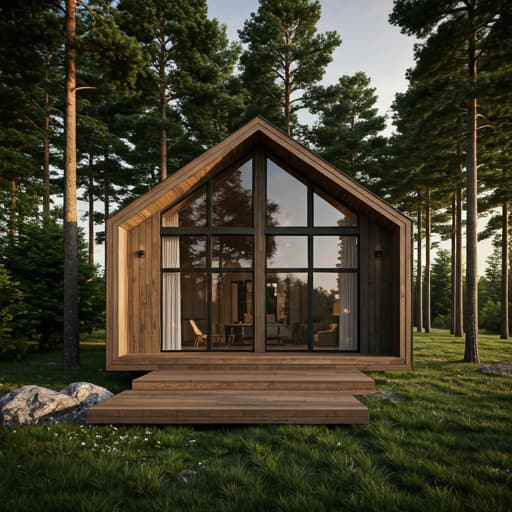
A family property photographed from the driveway

For property owners

If it burns or floods, you'll still be able to prove what you owned.

Photograph what's in the building, keep the receipts and serial numbers with it, and hand your adjuster a dated inventory instead of trying to remember it after the fact.

No credit card. Nothing to install.

What it keeps track of Room-by-room inventory Receipts and serial numbers Dated condition photos Policies and appraisals

Insurance pays for what you can document. After a fire, memory isn't documentation.

How it usually goes

The adjuster asks for a list And you're writing down a building's worth of contents from memory, in a hotel room, under a deadline.
Receipts were in the building The filing cabinet with the purchase records burned with everything else in it.
Photos are scattered across phones Undated, out of context, and nothing that shows what was in a room before the loss.
Undocumented items get discounted Without a serial number or a receipt, the payout comes back as a guess — usually lower than replacement cost.

With Place Keeper

The inventory already exists Room by room, with photos, model and serial numbers, and what each item cost.
Proof is stored off-site Records live in the cloud, not in the building, so a total loss doesn't take the evidence with it.
Every entry is dated Photos and receipts carry the date they were added — that's what makes them credible to an adjuster.
One export for the claim Download the whole inventory with documents attached and send it in as a single package.

Three steps. That's all of it.

1

Walk the building with your phone

Photograph each room, then each significant item — equipment, appliances, tools, furniture, electronics. Capture the serial plate while you're there.

kitchen_walkthrough_14_photos.jpg
2

Attach the paperwork

Forward purchase receipts, warranties, and appraisals to the record. Tag them to the room and the item so they stay together.

Kitchen · Range · Serial VK-8841 · $6,400
3

Export it when you need it

After a loss, download the inventory as a dated report with every photo and receipt attached and hand it to your adjuster.

Contents inventory · 214 items · 96 documents
WHAT YOUR TEAM SEES

One page per item, with the proof attached.

Commercial range · Kitchen Documented Mar 4, 2026
Condition photos added (4) — serial plate legible
Purchase invoice attached — $6,400, Vulcan VK-8841
Appraisal for scheduled equipment rider filed
Installed — warranty and permit attached

Ask it the way you'd ask a neighbor.

“What was in the kitchen before the fire?”

31 items, photographed March 4, 2026 — with receipts on 24 of them.

“What did the range cost?”

$6,400 in Aug 2024. Invoice and serial number both on the record.

“Can you send proof of ownership?”

Export the inventory report — photos, receipts, and dates in one PDF.

“Is this covered under our policy?”

Policy and the scheduled-equipment rider are filed with the property record.

A real contents inventory

Every room and every significant asset documented before anything happens to it.

Evidence stored off-site

Your proof isn't in the building that burned or flooded.

Claims you can support

Dated photos, serial numbers, and receipts are what turn a claim into a payment.

Your records stay yours

Only your team sees it You choose who can view and who can add. Nothing is public.
You can take it with you Export every document and record at any time, in a normal file format.
Backed up automatically Records are stored securely and kept even if a phone is lost.

Questions property owners ask us

How long does the first walkthrough take? An afternoon for most buildings. Photograph rooms first, then go back and add receipts for the expensive items over time.
Does my insurer accept this? Adjusters ask for exactly this: dated photos, descriptions, serial numbers, and purchase records. Check with your carrier on format preferences before a loss.
What about flood or water damage? Same record. Condition photos from before the event are what establish what was damaged and what it was worth.
Do we need someone technical to run it? No. Setting up the first building takes an afternoon, and daily use is forwarding an email or sending a text.
What does it cost? One flat price for the whole organization — [confirm current price]. No per-person charges.

Document the building now, while there's nothing to prove.

Start free